Soft Tissue Surgery
Surgical treatment for a wide range of conditions
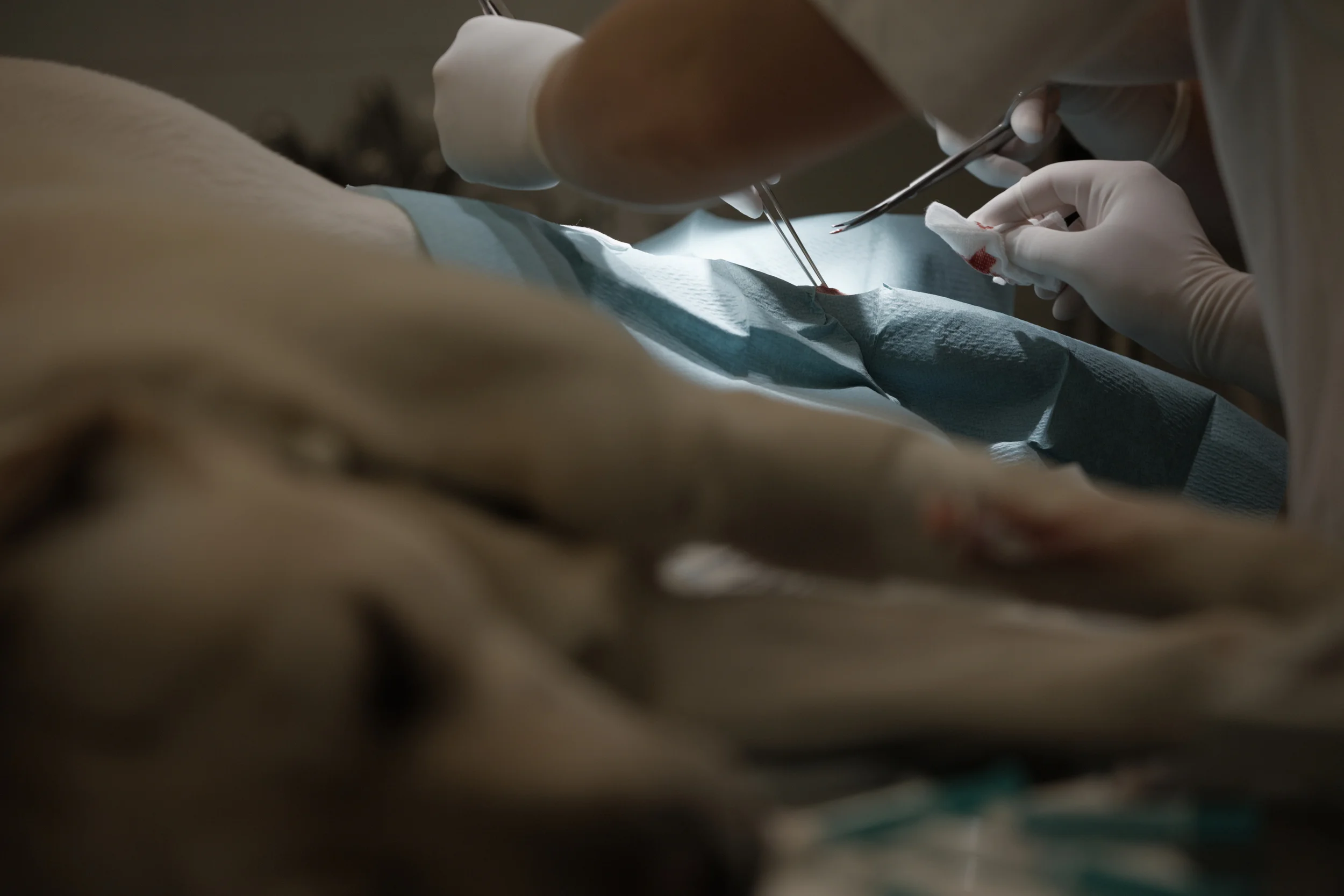
Our veterinarians perform soft tissue surgery on a daily basis. Combined with our fully equipped surgical facilities, diagnostic imaging and in-house laboratory services, we are able to perform the vast majority of soft tissue procedures that dogs and cats commonly require.
Soft tissue surgery refers to surgery involving organs, skin, muscles and other body tissues rather than bones and joints.
Every patient receives an individual treatment plan based on their age, health status, condition and surgical requirements.
What conditions can be treated with soft tissue surgery?
Soft tissue surgery encompasses a very broad range of procedures, including:
Lump and tumour removals
Skin biopsies
Wound repair and reconstructive surgery
Abscess treatment
Exploratory abdominal surgery
Foreign body removal from the stomach or intestines
Bladder surgery
Liver biopsies
Eye and eyelid procedures
Ear surgery
Anal gland surgery
Hernia repair
Desexing procedures
Intestinal surgery
Bladder stone surgery (cystotomy)
Tail amputations
Digit (toe) amputations
Splenectomy (spleen removal)
Cryptorchid (retained testicle) surgery
Not every procedure is suitable for every patient, and some complex cases may benefit from referral to a specialist surgeon. During your consultation, we will discuss the options available and recommend the most appropriate treatment plan for your pet.
Lump Removal & Cancer Surgery
One of the most common soft tissue procedures we perform is the removal of lumps and tumours.
Not every lump is cancerous, but it is impossible to determine the significance of many masses simply by looking at them. Early assessment allows us to determine whether monitoring, biopsy or surgical removal is the most appropriate option.
In some cases we may recommend:
Fine needle aspiration
Biopsy prior to surgery
Surgical removal with appropriate margins
Laboratory analysis following removal
Early diagnosis and treatment often provide the best opportunity for successful management, particularly when cancerous tumours are involved.
If you discover a new lump or notice an existing lump changing in size, appearance or behaviour, we recommend arranging an examination with one of our veterinarians.
Foreign Body Surgery
Dogs and occasionally cats sometimes swallow objects that become lodged within the stomach or intestines.
Common examples include:
Toys
Balls
Corn cobs
Bones
Clothing
String or thread
Children's toys
Foreign body obstructions can quickly become life-threatening and often require emergency surgery.
Signs may include:
Vomiting
Loss of appetite
Abdominal pain
Lethargy
Diarrhoea
Difficulty passing faeces
Prompt veterinary attention is important if you suspect your pet has swallowed something they should not have.
Anaesthesia & Surgical Safety
Patient safety is our priority.
Depending on your pet's age, health status and procedure, recommendations may include:
Pre-anaesthetic examination
Pre-anaesthetic blood testing
Intravenous fluid therapy
Modern anaesthetic medications
Continuous patient monitoring
Temperature support during surgery
Pain relief before, during and after the procedure
Our veterinarians and veterinary nurses closely monitor patients throughout their procedure and recovery period.
Recovery After Surgery
Recovery requirements vary depending on the procedure performed.
Many soft tissue surgeries are day procedures, allowing patients to return home later the same day. More complex procedures may require hospitalisation, ongoing monitoring, intravenous fluids or additional nursing care before discharge.
Before your pet goes home, we will discuss:
Activity restrictions
Feeding instructions
Medications
Wound care
Follow-up appointments
Signs that require re-examination
Do You Need a Surgical Consultation?
If your pet has a lump, wound, injury, abdominal problem or other condition that may require surgery, we recommend booking a consultation with one of our veterinarians.
Early assessment allows us to discuss treatment options, expected outcomes and costs before problems become more serious.
Call Bankstown Veterinary Hospital on 9790 1101 to arrange an appointment.
Please see our desexing page for more details about this surgery.