Orthopaedic Conditions & Referral
Diagnosis, treatment planning and specialist referral when required
Orthopaedic conditions affect the bones, joints, ligaments, tendons and muscles that allow pets to move comfortably.
Limping, stiffness, difficulty rising, reluctance to jump, reduced exercise tolerance and changes in mobility are common reasons pets are presented to our hospital.
At Bankstown Veterinary Hospital, we regularly diagnose and manage orthopaedic conditions in dogs and cats. Through examination, digital radiography and other diagnostic testing, we can identify many orthopaedic problems and recommend the most appropriate treatment options.
Common Orthopaedic Conditions
We commonly diagnose and manage conditions including:
Arthritis (osteoarthritis)
Cruciate ligament disease
Patella luxation (dislocating kneecaps)
Hip dysplasia
Elbow dysplasia
Fractures
Joint injuries
Tendon and ligament injuries
Growth-related orthopaedic conditions
Back and spinal pain
Some conditions can be managed medically, while others may require surgery.
Diagnosing Orthopaedic Problems
Accurate diagnosis is the first step towards successful treatment.
Your pet's assessment may include:
Orthopaedic examination
Neurological examination
Digital radiography (X-rays)
Sedation where required for imaging
Blood testing when indicated
Referral for advanced imaging such as CT or MRI where appropriate
Once a diagnosis has been reached, we can discuss the available treatment options and likely outcomes.
When Is Specialist Orthopaedic Surgery Required?
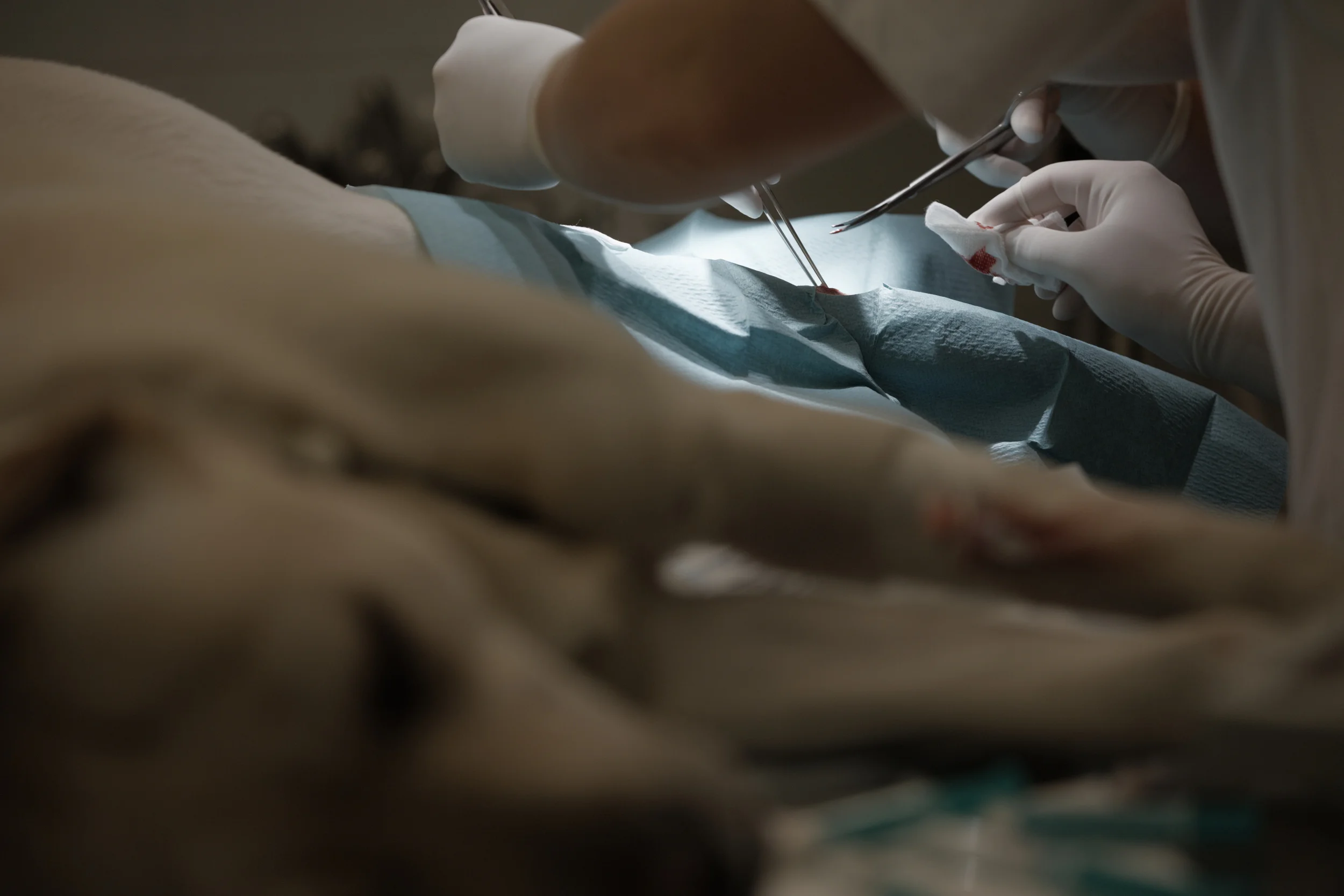
Some orthopaedic conditions are best treated by specialist veterinary surgeons with advanced training and specialised equipment.
Examples may include:
Cruciate ligament surgery
Fracture repair
Patella luxation surgery
Joint reconstruction procedures
Complex spinal surgery
Total hip replacement
Where specialist surgery is likely to provide the best outcome for your pet, we will discuss referral options and help coordinate your pet's ongoing care.
Working With Specialist Surgeons
If referral is required, we can assist with:
Initial diagnosis and work-up
Digital radiographs and records
Referral arrangements
Communication with the specialist hospital
Post-operative monitoring
Suture removal where appropriate
Long-term arthritis and mobility management
Our goal is to ensure your pet receives the right treatment from the right team at the right time.
Arthritis & Mobility Management
Not every orthopaedic problem requires surgery.
Many pets benefit from:
Weight management
Pain relief medication
Exercise modification
Joint supplements
Rehabilitation therapies
Ongoing monitoring
Early intervention often helps maintain comfort and quality of life for longer.
Is Your Pet Limping?
If your pet is limping, struggling to rise, slowing down on walks or showing signs of discomfort, an orthopaedic assessment may help identify the underlying cause.
Contact Bankstown Veterinary Hospital to arrange a consultation with one of our veterinarians.