
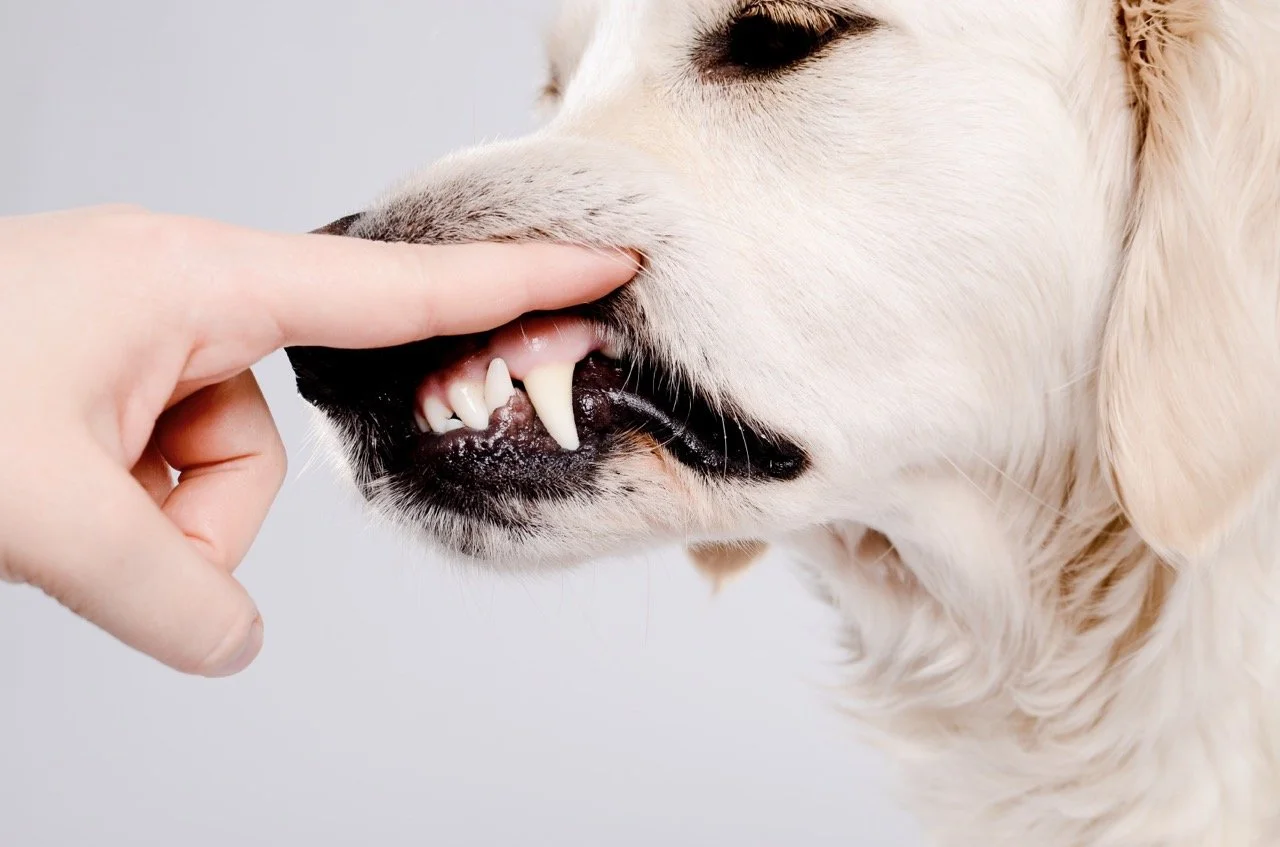
Veterinary Dentistry
Dental Care For Dogs and Cats
Dental disease is one of the most common health problems seen in companion animals.
Many pets show few obvious signs until dental disease is advanced, which means problems can develop for months or even years before owners realise their pet is uncomfortable.
At Boundary Road Veterinary Hospital, we provide comprehensive dental care including dental examinations, dental radiography, professional dental cleaning, tooth extractions and ongoing dental health management.
Our goal is not simply to make teeth look cleaner, but to diagnose and treat painful dental disease while helping maintain your pet's long-term health and quality of life.
Signs Of Dental Disease
Common signs may include:
Bad breath
Yellow or brown tartar build-up
Red or bleeding gums
Loose teeth
Difficulty eating
Dropping food while eating
Pawing at the mouth
Facial swelling
Excessive drooling
Reduced appetite
Behavioural changes
Some pets with significant dental disease show few obvious signs, which is why routine examinations are important.
What Happens During A Dental Procedure?
A complete dental procedure involves much more than scaling visible tartar from the surface of the teeth.
Your pet's procedure may include:
Pre-anaesthetic examination
General anaesthesia
Full oral examination
Dental charting
Ultrasonic scaling
Polishing
Dental radiographs (X-rays)
Assessment below the gum line
Tooth extractions where required
Pain relief and post-operative care
Many of the most painful dental problems occur below the gum line and cannot be identified by visual examination alone.
Dental Radiography
Dental radiographs are an important part of modern veterinary dentistry.
They allow us to evaluate structures that cannot be seen during a routine examination, including:
Tooth roots
Bone surrounding the teeth
Retained tooth roots
Tooth resorption
Bone loss
Hidden infections
Without dental radiographs, significant dental disease may remain undiagnosed.
Tooth Extractions
While preserving healthy teeth is always the goal, some teeth become too diseased or painful to save.
Common reasons for extraction include:
Advanced periodontal disease
Fractured teeth
Tooth root infection
Tooth resorption
Loose teeth
Severe oral pain
Extractions are performed under anaesthesia with appropriate pain management before, during and after the procedure.
Why Dental Disease Matters
Dental disease affects more than the mouth.
Untreated dental disease can result in:
Chronic pain
Difficulty eating
Tooth loss
Oral infection
Bone loss around teeth
Reduced quality of life
Many owners are surprised by the improvement they see in their pet's comfort, appetite and behaviour after dental treatment.
Home Dental Care
Professional dental treatment is only one part of maintaining good oral health.
Depending on your pet's needs, we may recommend:
Tooth brushing
Dental diets
Dental treats
Dental chews
Water additives
Regular dental assessments
Not every product is suitable for every pet, and we can help you choose an appropriate home care plan.
Common Dental Procedures
Examples of dental procedures performed at Bankstown Veterinary Hospital include:
Professional dental cleaning
Dental radiography
Tooth extractions
Retained deciduous (baby) tooth removal
Treatment of periodontal disease
Management of fractured teeth
Assessment of oral masses
Oral biopsies
For advanced dental procedures that would benefit from specialist equipment or expertise, we can arrange referral to a veterinary dental specialist.
Frequently Asked Questions
Does my pet need an anaesthetic for a dental clean?
Yes. A thorough dental examination, cleaning below the gum line, dental radiography and any required treatment can only be performed safely and effectively under general anaesthesia.
How often should my pet's teeth be checked?
We recommend that your pet's teeth are assessed during their regular health examinations. Some pets require more frequent dental monitoring than others.
My pet's breath smells bad. Is that normal?
No. Bad breath is often one of the earliest signs of dental disease and should be investigated.
Can old pets have dental treatment?
Many older pets can safely undergo dental procedures. We tailor anaesthetic protocols to the individual patient and may recommend blood testing or additional monitoring where appropriate.
Concerned About Your Pet's Teeth?
If your pet has bad breath, tartar build-up, difficulty eating or you are concerned about their oral health, we recommend arranging a dental assessment with one of our veterinarians.
Early treatment often means simpler procedures, healthier teeth and a more comfortable pet.